


Greg Seaman
Greg Seaman founded Eartheasy in 2000. He has lived off-grid on a small British Columbia island since 1980, in a house he built by hand from salvaged materials, and has grown his own food there ever since.
- Founded Eartheasy
- 2000
- Off-grid since
- 1980 — 46 years
- Grows
- Two vegetable gardens
and an orchard - Articles
- 386
Greg Seaman grew up on Long Island, New York, one of four children in a middle-class household with two working parents. His first job after university was supervising the American Museum of Natural History's Centennial Exhibit — a multimedia show called “Can Man Survive?” about what modern living was doing to the environment. That was 1970, and it stayed with him.
Work took him through New York, Boston, and San Francisco — and left him unsatisfied: he had started out in psychology and found he was not building the life he actually wanted. At thirty, he and his wife Lindsay took their three-month-old son and moved to a small rural island on the British Columbia coast. That was 1980. They are still there.
The island had no electricity, no services, and no road to their site. They built the house themselves with hand tools, from materials salvaged out of grand old houses being demolished in Victoria, finished with fir poles and hand-split cedar shakes cut from the forest around them. They grew their food, fished, gathered clams and oysters, kept chickens, and traded with neighbours for the rest.
He started Eartheasy in 2000 to put what he had learned in one place. He still gardens, still works on the house, and is building a wooden sailboat with hand tools.
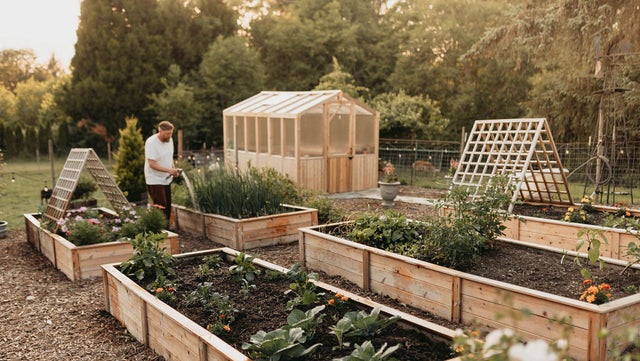
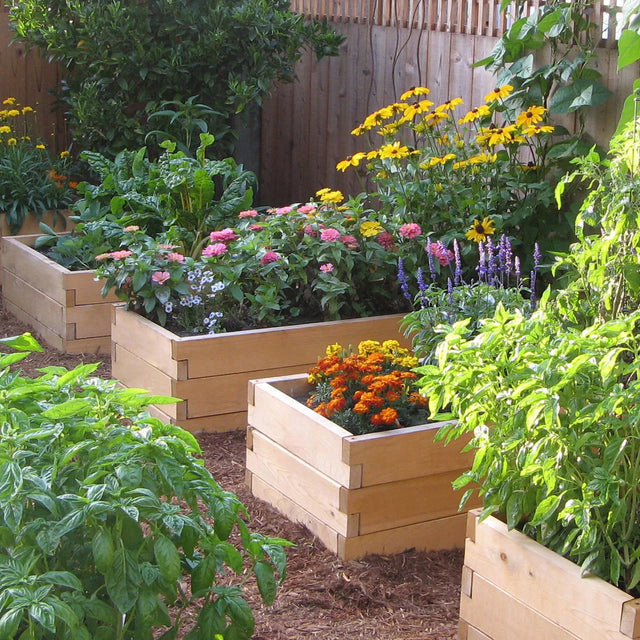
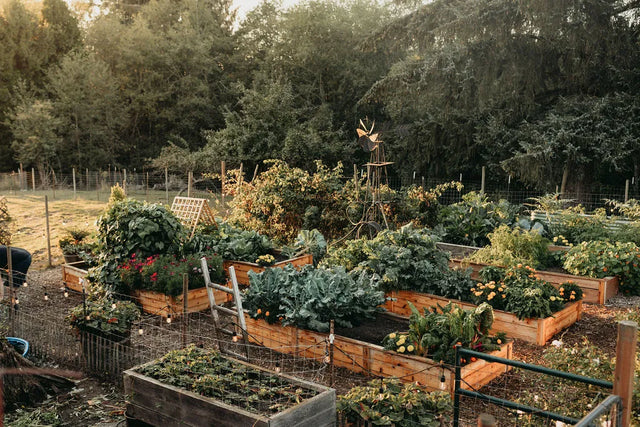
Two gardens and an orchard, worked since 1980
About 80% of the growing space goes to winter storage crops — potatoes, onions, winter squash, garlic, beans, and tomatoes: anything that can be canned, frozen, or kept through the season. In a typical year the aim is 40 to 50 Buttercup squash.
The island has no grid electricity, no police, and no hospital. There is a two-room school and a ferry five days a week. Water, heat, power and most of the food are handled on site.
The harvest is put up for winter with the same All American Model 921 pressure canner he has used for over thirty years.
Published work and recognition
- “Building A Backyard Food Factory”Pathways to Family Wellness, Issue 29 — part two of a three-part series on backyard vegetable gardening
- “Intentional Living with Greg Seaman”A Sustainable Mind podcast, episode 001 · 13 September 2015
- Off-the-grid livingEarth911 Podcast · January 2019
- “5 Questions with Greg Seaman, Founder of Eartheasy”Trend Hunter · 16 February 2012
- Cited as a source in the English WikipediaSustainable fashion · Incandescent light bulb ban · Holiday lighting technology
386 articles by Greg Seaman
The nine most recent.
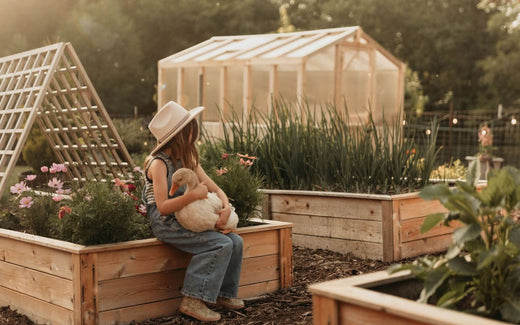
The Best Fall Crops for Your Region
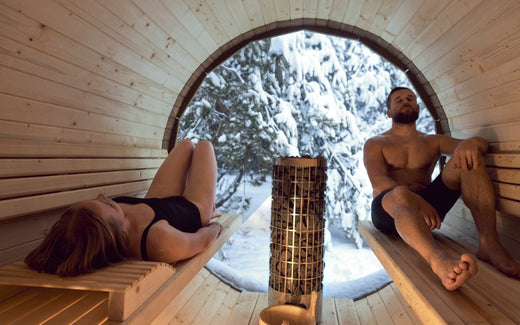
Cozy Outdoor Living Spaces for Fall and Winter
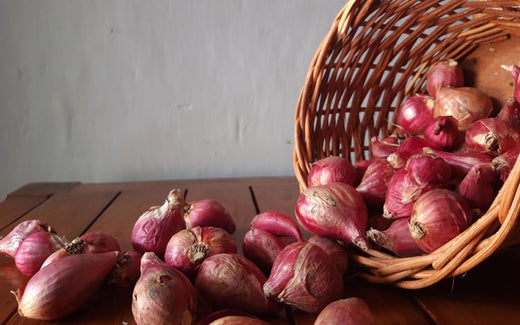
The Ultimate Guide to Growing Shallots
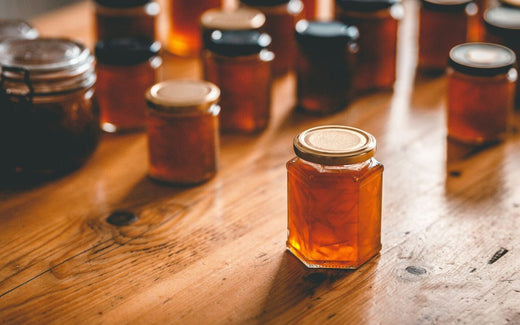
Small-Batch Preserves for the Mini Homestead
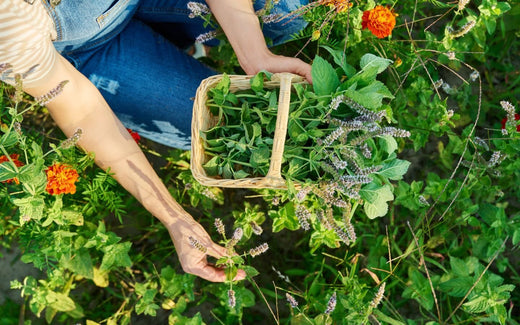
How to Grow Your Own Apothecary Garden
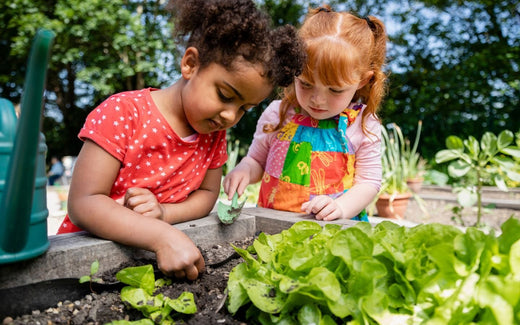
Get Started With School Composting
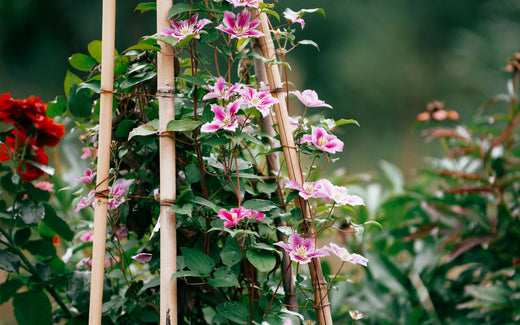
Growing and Planting Clematis: A Complete Guide
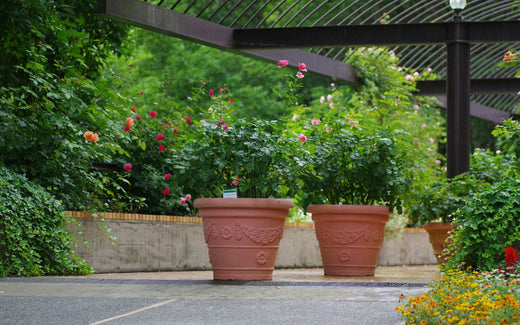
The Best Potted Flowers for Your Patio